Battery Problems on Your Westwood Tractor: Testing, Charging and Replacement
Date Released: 4 Mar 2026 Category: Blog
Your Westwood's battery might seem like a simple component, but it's absolutely critical to reliable operation. A healthy battery starts the engine immediately and powers the electrical system without fuss. A failing battery causes all sorts of frustrating problems, from slow cranking to complete failure to start. Understanding how to test, maintain, and replace your battery keeps your Westwood ready to work whenever you need it.
Battery problems often develop gradually rather than appearing suddenly. Recognising the early warning signs means you can address issues before you're left with a completely dead battery on the day you need to mow.
Sometimes you'll get a rapid clicking sound when you turn the key. This is the solenoid trying to engage repeatedly but not getting enough current to actually turn the starter motor. It's a classic sign of a battery that's too weak to do its job.
Other symptoms are more subtle. Dashboard lights might be dimmer than normal, or they might flicker when you operate the starter. These signs suggest the battery is on its way out even if it's still managing to start the engine.

Testing voltage is straightforward if you have a multimeter. Set it to measure DC volts, touch the red probe to the positive terminal and the black probe to the negative terminal, and read the display. This gives you the battery's resting voltage.
However, resting voltage doesn't tell the whole story. A battery can show reasonable voltage but still fail under load. The real test is what happens when you try to start the engine. If the voltage drops dramatically when you operate the starter, the battery can't deliver the current needed.
Without a load tester, you can get a reasonable idea by watching what happens when you start the engine. If the starter cranks strongly and the engine starts promptly, the battery is doing its job. If cranking is slow or laboured, or if it takes several attempts to start, the battery is struggling.
You can test the charging system by measuring battery voltage with the engine running. It should read between 13.5 and 14.5 volts, which is higher than the resting voltage. This proves the charging system is working and putting power back into the battery.
If the running voltage is the same as or lower than the resting voltage, the charging system isn't working. This might be a faulty alternator, damaged wiring, or a failed regulator. Without a functioning charging system, the battery will gradually discharge during use and eventually won't have enough power to start the engine.
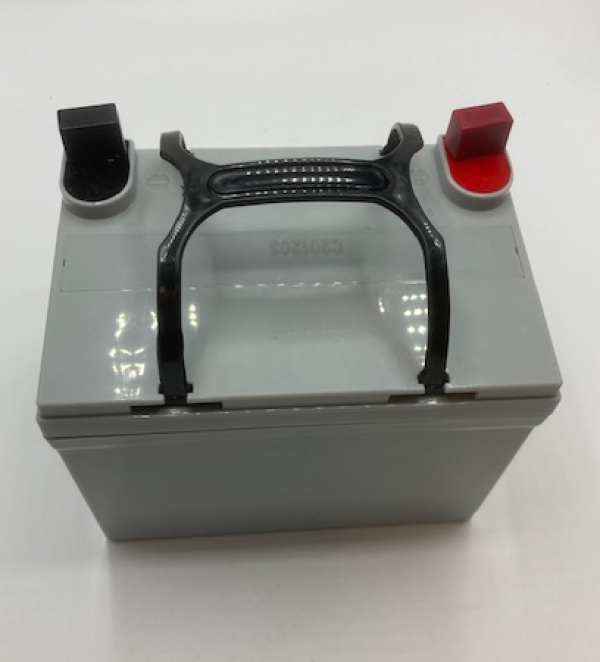
Check that the battery is securely mounted. Vibration from a loose battery can damage the internal plates and shorten battery life considerably. The battery should be held firmly in its tray without being able to move around.
Water levels in batteries with removable caps should be checked periodically. The plates inside the battery must remain covered with electrolyte. If levels are low, top up with distilled water (never tap water, which contains minerals that damage batteries).
Ideally, remove the battery for winter storage and keep it somewhere cool but not freezing. A shed or garage works well. Every few weeks, check the voltage and charge if necessary. This keeps the battery healthy and ready for spring.
Alternatively, if you can't remove the battery, at least disconnect it to prevent any small drains from the Westwood's electrical system. Even disconnected, charge it at least once during winter to prevent deep discharge that damages the battery.
If your battery is more than four or five years old and showing signs of weakness, replacement is probably wise even if it's still just about working. Waiting until complete failure means you'll be caught out when you need the Westwood.
Using your Westwood's model information ensures you get the correct battery. The wrong size won't fit in the battery tray properly. Incorrect terminal placement means the cables won't reach. Insufficient capacity means the battery won't reliably start the engine.
Genuine Westwood replacement batteries are matched to your model's requirements. They fit properly, have adequate capacity, and work with the charging system as intended.
Remove any hold-down clamps or brackets, lift out the old battery, and install the new one. Reconnect in reverse order: positive terminal first, then negative. Make certain connections are tight and terminals are clean before connecting.
Never try to charge a frozen battery. Let it warm up first. Charging a frozen battery can cause it to explode. Similarly, don't charge a battery that's physically damaged or leaking.

Combined with proper winter storage, terminal maintenance, and timely replacement when needed, these simple steps ensure your Westwood is always ready when you need it. A good battery is one of those components you don't think about until it fails, but a bit of attention keeps it working reliably for years.
Battery problems often develop gradually rather than appearing suddenly. Recognising the early warning signs means you can address issues before you're left with a completely dead battery on the day you need to mow.
Recognising Battery Problems
The most obvious symptom is difficulty starting. If your Westwood cranks more slowly than usual, taking several seconds of turning before the engine fires, the battery is struggling. This often gets progressively worse over days or weeks until eventually the engine won't crank at all.Sometimes you'll get a rapid clicking sound when you turn the key. This is the solenoid trying to engage repeatedly but not getting enough current to actually turn the starter motor. It's a classic sign of a battery that's too weak to do its job.
Other symptoms are more subtle. Dashboard lights might be dimmer than normal, or they might flicker when you operate the starter. These signs suggest the battery is on its way out even if it's still managing to start the engine.
Understanding Battery Voltage
A healthy, fully charged 12-volt battery actually measures between 12.6 and 12.8 volts when tested with a multimeter. This might seem odd given it's called a 12-volt battery, but that's just how lead-acid batteries work. Anything below 12.4 volts suggests the battery is partially discharged. Below 12 volts and it's quite deeply discharged.Testing voltage is straightforward if you have a multimeter. Set it to measure DC volts, touch the red probe to the positive terminal and the black probe to the negative terminal, and read the display. This gives you the battery's resting voltage.
However, resting voltage doesn't tell the whole story. A battery can show reasonable voltage but still fail under load. The real test is what happens when you try to start the engine. If the voltage drops dramatically when you operate the starter, the battery can't deliver the current needed.
Testing Under Load
Professional battery testers can measure a battery's ability to deliver current under load, which gives a much better picture of its condition than resting voltage alone. If you have access to such a tester, it's the best way to assess whether a battery is genuinely healthy or just managing to maintain voltage without being able to deliver power.Without a load tester, you can get a reasonable idea by watching what happens when you start the engine. If the starter cranks strongly and the engine starts promptly, the battery is doing its job. If cranking is slow or laboured, or if it takes several attempts to start, the battery is struggling.
Charging Systems and Testing
Your Westwood has a charging system that keeps the battery topped up during operation. This typically consists of an alternator or stator driven by the engine, along with a regulator that controls charging voltage. When this system works properly, the battery stays charged and you can use the Westwood for years without battery problems.You can test the charging system by measuring battery voltage with the engine running. It should read between 13.5 and 14.5 volts, which is higher than the resting voltage. This proves the charging system is working and putting power back into the battery.
If the running voltage is the same as or lower than the resting voltage, the charging system isn't working. This might be a faulty alternator, damaged wiring, or a failed regulator. Without a functioning charging system, the battery will gradually discharge during use and eventually won't have enough power to start the engine.
Maintaining Battery Health
Simple maintenance significantly extends battery life. Keep the terminals clean and free from corrosion. The white or greenish deposits that form around battery terminals prevent good electrical contact and increase resistance in the circuit.Check that the battery is securely mounted. Vibration from a loose battery can damage the internal plates and shorten battery life considerably. The battery should be held firmly in its tray without being able to move around.
Water levels in batteries with removable caps should be checked periodically. The plates inside the battery must remain covered with electrolyte. If levels are low, top up with distilled water (never tap water, which contains minerals that damage batteries).
Winter Storage Considerations
Batteries discharge over time even when not in use, and cold temperatures accelerate this. A battery left in your Westwood over winter will be substantially discharged by spring, and might freeze if it gets cold enough.Ideally, remove the battery for winter storage and keep it somewhere cool but not freezing. A shed or garage works well. Every few weeks, check the voltage and charge if necessary. This keeps the battery healthy and ready for spring.
Alternatively, if you can't remove the battery, at least disconnect it to prevent any small drains from the Westwood's electrical system. Even disconnected, charge it at least once during winter to prevent deep discharge that damages the battery.
When Replacement Becomes Necessary
Even well-maintained batteries eventually wear out. Most Westwood batteries last three to five years depending on use and care. Beyond this, internal degradation means they can't hold charge effectively or deliver the current needed for starting.If your battery is more than four or five years old and showing signs of weakness, replacement is probably wise even if it's still just about working. Waiting until complete failure means you'll be caught out when you need the Westwood.
Choosing a Replacement Battery
Westwood batteries are specified by several important factors: physical size, terminal configuration, and capacity (measured in amp-hours). The replacement must match the original on all these points.Using your Westwood's model information ensures you get the correct battery. The wrong size won't fit in the battery tray properly. Incorrect terminal placement means the cables won't reach. Insufficient capacity means the battery won't reliably start the engine.
Genuine Westwood replacement batteries are matched to your model's requirements. They fit properly, have adequate capacity, and work with the charging system as intended.
Fitting a New Battery
Battery replacement is straightforward but must be done correctly. Always disconnect the old battery with the negative terminal first, followed by the positive. This prevents accidental short circuits if you touch the spanner against metal whilst working.Remove any hold-down clamps or brackets, lift out the old battery, and install the new one. Reconnect in reverse order: positive terminal first, then negative. Make certain connections are tight and terminals are clean before connecting.
Safety Considerations
Batteries contain sulphuric acid and can generate explosive hydrogen gas. Work in a ventilated area, avoid sparks or flames near the battery, and wear eye protection if possible. If you get battery acid on your skin, wash immediately with plenty of water.Never try to charge a frozen battery. Let it warm up first. Charging a frozen battery can cause it to explode. Similarly, don't charge a battery that's physically damaged or leaking.
Long-Term Battery Health
Looking after your Westwood's battery pays dividends in reliable starting and fewer frustrations. Regular use keeps batteries healthier than long periods of inactivity. The charging system keeps them topped up, and regular starting prevents the deep discharge that shortens battery life.Combined with proper winter storage, terminal maintenance, and timely replacement when needed, these simple steps ensure your Westwood is always ready when you need it. A good battery is one of those components you don't think about until it fails, but a bit of attention keeps it working reliably for years.