Don’t Let it Slip: Diagnosing PTO and Transmission Belt Wear
Date Released: 2 Apr 2026 Category: Blog
If you have spent any time driving a Westwood tractor, you know that they are famously tough machines. They are built to handle the thickest grass and the dampest conditions that the British weather can throw at them. However, even the most powerful engine is useless if that power cannot reach the wheels or the mower deck. This is where your drive belts come into play.
A Westwood tractor relies on a sophisticated system of rubber belts to operate. There is a belt to drive the tractor forward, a belt to turn the mower blades, and a third belt to power the grass collector via the Power Take-Off (PTO) pulley. During the rapid growth of the spring and early summer, these belts are under immense pressure. If you have noticed that your blades are slowing down in thick grass or your tractor feels sluggish when climbing a small hill, you are likely dealing with belt slip.
In this guide, we will look at the different belts on your Westwood, how to tell when they are wearing out, and why choosing the right replacement is the only way to keep your machine performing at its best.
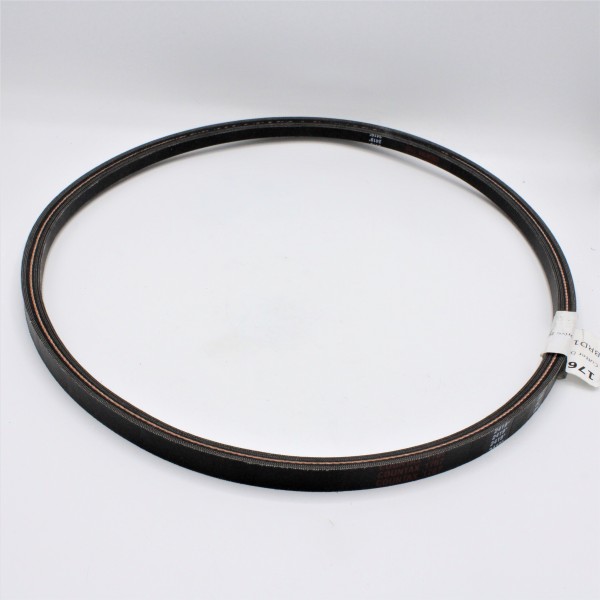
Because a Westwood is a "multi-tasking" machine, it uses more belts than a standard lawnmower. It is important to know which one is causing your problem before you start reaching for your tools.
1. The Transmission Drive Belt
This is the belt that moves the tractor itself. It connects the engine crankshaft to the gearbox or hydrostatic transaxle. If this belt is worn, the engine will sound perfectly healthy, but the tractor will struggle to move. You might find that it takes a moment to "take off" after you release the brake, or it might feel very jerky when you change speed.
2. The Cutter Drive Belt
This is the long belt that snakes around the pulleys on top of your mower deck to spin the blades. This belt does a lot of work. Every time the blades hit a thick patch of grass or a hidden molehill, the belt takes the shock. Over time, the internal cords of the belt stretch, and the rubber starts to crack.
3. The PTO (Power Take-Off) Belt
This is the belt that connects the engine to the rear of the tractor to power the Powered Grass Collector (PGC). If your brushes aren't spinning fast enough to flick the grass into the hopper, this belt is usually the first thing to check.
The Squeal: A high-pitched screeching sound when you engage the blades or start moving is a classic sign of a loose belt. This happens because the belt is sliding over a pulley instead of gripping it. The Burning Smell: If you smell hot rubber, stop the engine immediately. This means a belt is slipping so badly that the friction is literally melting the rubber. Vibration: If the mower deck starts to vibrate excessively, it could be that a chunk of rubber has come off the belt, making it "unbalanced" as it whips around the pulleys. Loss of Power: If the engine stays at high revs but the blades slow down the moment they touch the grass, the belt has stretched beyond the point where the tensioner can keep it tight.

Genuine Westwood belts are often "Kevlar-corded." This means they are reinforced with the same material used in bulletproof vests. This prevents the belt from stretching under the heat and stress of a long afternoon of mowing. A standard rubber belt from a hardware store will likely stretch within the first hour of use, leading to the same slipping problems you started with.
At Westwood Tractor Spares, we stock the exact belts for every model, from the classic T-Series to the modern V-Series. Using the correct part ensures that the belt sits perfectly in the "V" of the pulley, giving you maximum grip without wasting engine power.
Keep the Deck Clean: Grass buildup on top of the mower deck is a belt killer. Dried grass can get trapped in the pulleys, forcing the belt out of its groove or causing it to run hot. Use a leaf blower or a brush to clear the deck after every use. Check the Tensioner Springs: Every belt on a Westwood has a spring-loaded pulley that keeps it tight. If these springs get rusty or packed with debris, they cannot move freely. A quick spray of lubricant on the pivot points of the tensioner arm can prevent belt slip. Inspect the Pulleys: If a pulley has a "nick" or a sharp edge from hitting a stone, it will act like a knife and shred a brand new belt in minutes. While the belt is off, spin the pulleys by hand to make sure they are smooth and the bearings are quiet.
Replacing a belt is a straightforward job that restores the "bite" to your blades and the "pull" to your transmission. If you find that your belts are looking glazed, cracked, or frayed, you can find the exact genuine replacements at Westwood Tractor Spares. Getting the right belt now means you can get back to enjoying your garden rather than fighting with a sluggish machine.
A Westwood tractor relies on a sophisticated system of rubber belts to operate. There is a belt to drive the tractor forward, a belt to turn the mower blades, and a third belt to power the grass collector via the Power Take-Off (PTO) pulley. During the rapid growth of the spring and early summer, these belts are under immense pressure. If you have noticed that your blades are slowing down in thick grass or your tractor feels sluggish when climbing a small hill, you are likely dealing with belt slip.
In this guide, we will look at the different belts on your Westwood, how to tell when they are wearing out, and why choosing the right replacement is the only way to keep your machine performing at its best.
Understanding the Three Main Belts
Because a Westwood is a "multi-tasking" machine, it uses more belts than a standard lawnmower. It is important to know which one is causing your problem before you start reaching for your tools.
1. The Transmission Drive Belt
This is the belt that moves the tractor itself. It connects the engine crankshaft to the gearbox or hydrostatic transaxle. If this belt is worn, the engine will sound perfectly healthy, but the tractor will struggle to move. You might find that it takes a moment to "take off" after you release the brake, or it might feel very jerky when you change speed.
2. The Cutter Drive Belt
This is the long belt that snakes around the pulleys on top of your mower deck to spin the blades. This belt does a lot of work. Every time the blades hit a thick patch of grass or a hidden molehill, the belt takes the shock. Over time, the internal cords of the belt stretch, and the rubber starts to crack.
3. The PTO (Power Take-Off) Belt
This is the belt that connects the engine to the rear of the tractor to power the Powered Grass Collector (PGC). If your brushes aren't spinning fast enough to flick the grass into the hopper, this belt is usually the first thing to check.
The Warning Signs of Belt Wear
Belts rarely snap without giving you a few warnings first. If you catch these signs early, you can avoid being stranded in the middle of a half-mown lawn.Why "Universal" Belts Are a Bad Idea for a Westwood
It can be tempting to take your old belt to a local motor factor or hardware shop to find a "close match." However, Westwood tractors use very specific belt profiles. Unlike a car fan belt, a tractor belt has to deal with "clutching" actions and back-side idler pulleys that bend the belt in both directions.Genuine Westwood belts are often "Kevlar-corded." This means they are reinforced with the same material used in bulletproof vests. This prevents the belt from stretching under the heat and stress of a long afternoon of mowing. A standard rubber belt from a hardware store will likely stretch within the first hour of use, leading to the same slipping problems you started with.
At Westwood Tractor Spares, we stock the exact belts for every model, from the classic T-Series to the modern V-Series. Using the correct part ensures that the belt sits perfectly in the "V" of the pulley, giving you maximum grip without wasting engine power.
Simple Maintenance to Extend Belt Life
You can make your belts last much longer by following a few simple steps during the mowing season.Conclusion
Your Westwood tractor is a powerhouse of a machine, but it is only as strong as the belts that hold it together. As the grass continues its rapid spring growth, take ten minutes to listen for squeals and look for cracks in your drive system.Replacing a belt is a straightforward job that restores the "bite" to your blades and the "pull" to your transmission. If you find that your belts are looking glazed, cracked, or frayed, you can find the exact genuine replacements at Westwood Tractor Spares. Getting the right belt now means you can get back to enjoying your garden rather than fighting with a sluggish machine.