Getting the Perfect Cut: Deck Height Adjustment and Blade Maintenance for Your Westwood
Date Released: 2 Mar 2026 Category: Blog
A beautifully cut lawn is one of life's simple pleasures, but achieving that perfect finish requires more than just pushing your Westwood around the garden. The cutting deck needs to be properly set up, and the blades need to be in good condition. When these elements come together correctly, your Westwood will deliver a professional-looking cut with crisp, clean grass rather than a ragged, uneven mess.
Understanding how to adjust your deck height and maintain your blades transforms your mowing results. These aren't complicated tasks requiring special expertise. They're straightforward maintenance jobs that make an enormous difference to how your lawn looks and how efficiently your Westwood works.
Your Westwood has a height adjustment mechanism, typically a lever with several positions, each corresponding to a different cutting height. However, what the lever position says and what height you're actually cutting at aren't always identical, especially as the mower ages and components wear.
The only way to know your actual cutting height is to measure it. Park your Westwood on a flat, hard surface like a driveway or patio. Measure from the ground to the cutting edge of the blade at several points. This gives you the true cutting height regardless of what the lever position suggests.
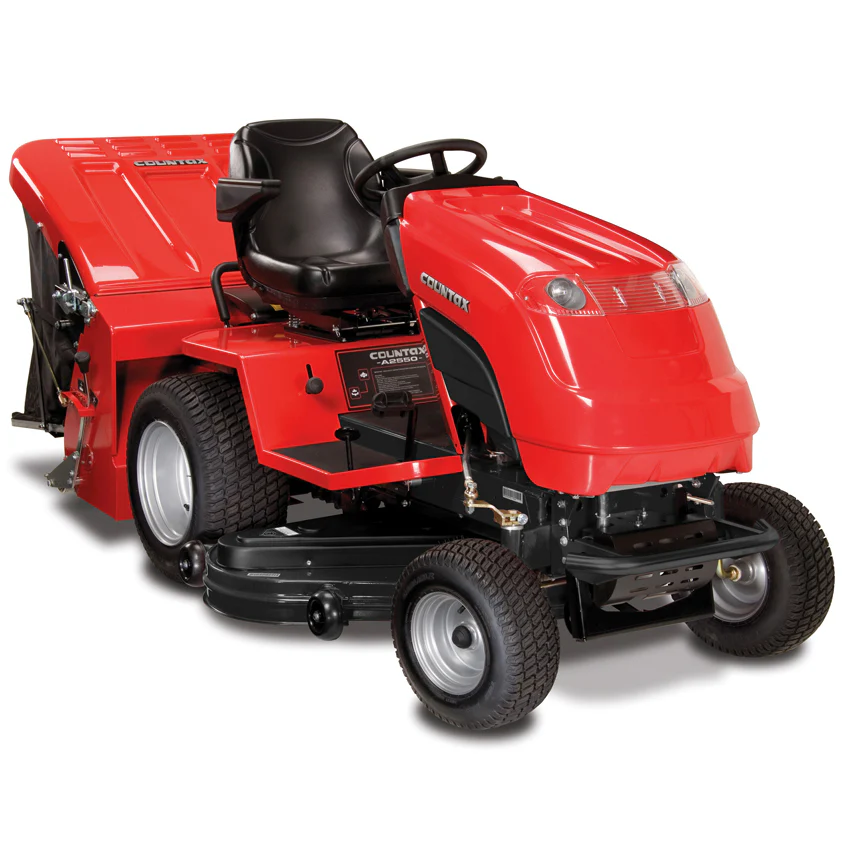
When you change height settings, do so on level ground and check the actual cutting height afterwards by measuring. If you find the heights don't match what you expect, you may need to adjust the stops or limiters that the height mechanism works against, though this varies by model.
Remember that cutting height is measured on a hard surface. When you're actually mowing on turf, particularly soft ground, you're cutting slightly higher because the wheels sink in a bit. This is normal and nothing to worry about.
If your lawn looks brown or raggedy a day or two after mowing, dull blades are almost certainly the culprit. The damaged grass tips turn brown as they die back, giving the whole lawn a dull, unhealthy appearance even though you've just mowed it.
Beyond appearance, dull blades make your Westwood work harder. Tearing through grass requires more power than cutting it cleanly, putting extra strain on the engine and using more fuel. You'll notice the engine labouring more when blades are dull.
Look at the blade overall, not just the cutting edge. Blades can become bent from hitting stones or other hard objects. A bent blade won't cut evenly and will cause vibration. Even slight bends affect performance. If you hold the blade up and sight along it, any bend should be visible.
Check the centre mounting hole as well. This should be round and undamaged. If it's wallowed out or distorted, the blade won't mount securely and should be replaced rather than sharpened.
As a general guide, if more than about half a centimetre of blade width has been ground away through repeated sharpening, or if the air lift wings on the blade are damaged or eroded, replacement makes more sense than further sharpening.
Sharpening can be done with a file, bench grinder, or angle grinder, depending on what you're comfortable with and what tools you have. The key is maintaining the original angle of the cutting edge and removing equal amounts from both ends of the blade to keep it balanced.
A balanced blade hangs level. If one end drops, that end is heavier and you need to remove a bit more metal from it. Keep checking and adjusting until the blade hangs level. This step is tedious but genuinely important.
When sharpening or replacing, do all blades at once. This ensures even cutting across the full width of the deck and prevents the situation where you've got mismatched blade conditions.
Tighten the blade securing bolts firmly. These bolts experience a lot of force and vibration during operation, so they need to be properly tight. Some models use special blade bolts with built-in washers or locking features. Use the correct bolts and make sure they're secure.
Genuine Westwood replacement blades are designed specifically for your model's deck. They're the correct length, width, thickness, and have the proper mounting hole size. Using the correct blades ensures safe operation and proper cut quality.
Scrape off accumulated grass with a putty knife or similar tool. Some people spray the underside with a releasing agent to help prevent grass from sticking, though this is entirely optional.
If spindles feel loose or rough, the bearings may need replacing. This is a job that requires some mechanical confidence, but replacement spindles and bearing kits are available for Westwood models.

A few hours spent on blade maintenance each season makes an enormous difference to results. Your lawn will look better, your Westwood will work more efficiently, and you'll get more satisfaction from the time you spend mowing. The combination of a well-maintained Westwood and properly set-up cutting deck delivers results that justify the effort involved.
Understanding how to adjust your deck height and maintain your blades transforms your mowing results. These aren't complicated tasks requiring special expertise. They're straightforward maintenance jobs that make an enormous difference to how your lawn looks and how efficiently your Westwood works.
Understanding Deck Height
The cutting height determines how short you're trimming the grass. Different grass types and different times of year call for different cutting heights. In spring when growth is vigorous, you might cut quite short. In summer heat or drought, leaving grass slightly longer helps it stay healthy.Your Westwood has a height adjustment mechanism, typically a lever with several positions, each corresponding to a different cutting height. However, what the lever position says and what height you're actually cutting at aren't always identical, especially as the mower ages and components wear.
The only way to know your actual cutting height is to measure it. Park your Westwood on a flat, hard surface like a driveway or patio. Measure from the ground to the cutting edge of the blade at several points. This gives you the true cutting height regardless of what the lever position suggests.
Adjusting Cutting Height
Most Westwood models make height adjustment reasonably straightforward. The adjustment lever changes how high the deck sits relative to the ground. Each position on the lever should correspond to a specific height, but this can vary depending on tyre pressures, ground surface, and wear in the adjustment mechanism.When you change height settings, do so on level ground and check the actual cutting height afterwards by measuring. If you find the heights don't match what you expect, you may need to adjust the stops or limiters that the height mechanism works against, though this varies by model.
Remember that cutting height is measured on a hard surface. When you're actually mowing on turf, particularly soft ground, you're cutting slightly higher because the wheels sink in a bit. This is normal and nothing to worry about.
Why Blade Condition Matters
Sharp blades are absolutely critical for good cut quality. A sharp blade slices cleanly through grass, leaving neat, healthy tips that heal quickly. A dull blade tears and rips the grass, leaving ragged, brown tips that look terrible and make the grass more susceptible to disease.If your lawn looks brown or raggedy a day or two after mowing, dull blades are almost certainly the culprit. The damaged grass tips turn brown as they die back, giving the whole lawn a dull, unhealthy appearance even though you've just mowed it.
Beyond appearance, dull blades make your Westwood work harder. Tearing through grass requires more power than cutting it cleanly, putting extra strain on the engine and using more fuel. You'll notice the engine labouring more when blades are dull.
Inspecting Your Blades
Regular blade inspection should be part of your routine. Remove the blades (with the engine off and spark plug disconnected for safety) and examine them. The cutting edge should be sharp and intact. If it's rounded over, chipped, or obviously blunt, the blade needs attention.Look at the blade overall, not just the cutting edge. Blades can become bent from hitting stones or other hard objects. A bent blade won't cut evenly and will cause vibration. Even slight bends affect performance. If you hold the blade up and sight along it, any bend should be visible.
Check the centre mounting hole as well. This should be round and undamaged. If it's wallowed out or distorted, the blade won't mount securely and should be replaced rather than sharpened.
Sharpening Versus Replacement
Blades can be sharpened several times before they need replacing, but there are limits. Each time you sharpen a blade, you remove metal. Eventually, the blade becomes too thin and light to work effectively, or the shape changes too much.As a general guide, if more than about half a centimetre of blade width has been ground away through repeated sharpening, or if the air lift wings on the blade are damaged or eroded, replacement makes more sense than further sharpening.
Sharpening can be done with a file, bench grinder, or angle grinder, depending on what you're comfortable with and what tools you have. The key is maintaining the original angle of the cutting edge and removing equal amounts from both ends of the blade to keep it balanced.
Blade Balance is Critical
An unbalanced blade causes vibration that can damage spindle bearings and make the whole Westwood shake. After sharpening, always check the balance. You can do this with a proper blade balancer, or simply by suspending the blade through its centre hole on a nail or screwdriver.A balanced blade hangs level. If one end drops, that end is heavier and you need to remove a bit more metal from it. Keep checking and adjusting until the blade hangs level. This step is tedious but genuinely important.
Multiple Blade Decks
Many Westwood models have multiple blades under the deck. All blades should be in similar condition and sharpened to the same degree. Having one sharp blade and one dull blade gives inconsistent cut quality, with some strips of grass cut nicely and others looking ragged.When sharpening or replacing, do all blades at once. This ensures even cutting across the full width of the deck and prevents the situation where you've got mismatched blade conditions.
Fitting Blades Correctly
When refitting blades after sharpening or when fitting new blades, make certain they're oriented correctly. The cutting edge should face the direction of rotation, and any air lift wings should face upwards towards the deck. Fitting blades upside down or backwards won't cut properly and can be dangerous.Tighten the blade securing bolts firmly. These bolts experience a lot of force and vibration during operation, so they need to be properly tight. Some models use special blade bolts with built-in washers or locking features. Use the correct bolts and make sure they're secure.
When Blades Need Replacing
Eventually all blades reach the end of their useful life. Blades worn too thin through repeated sharpening, blades with damaged mounting holes, severely bent blades, or blades with damaged air lift wings should all be replaced rather than sharpened again.Genuine Westwood replacement blades are designed specifically for your model's deck. They're the correct length, width, thickness, and have the proper mounting hole size. Using the correct blades ensures safe operation and proper cut quality.
Deck Underside Maintenance
Whilst you're attending to blades, check the underside of the deck itself. Grass buildup under the deck affects cut quality and discharge efficiency. Thick accumulations of dried grass can actually change how the deck cuts and how clippings flow out.Scrape off accumulated grass with a putty knife or similar tool. Some people spray the underside with a releasing agent to help prevent grass from sticking, though this is entirely optional.
Spindle and Bearing Condition
The blade spindles and their bearings can wear over time. Excessive play in the spindles affects cut quality because the blades don't maintain their proper position. When checking blades, grab each spindle and try to move it from side to side and up and down. There should be minimal movement.If spindles feel loose or rough, the bearings may need replacing. This is a job that requires some mechanical confidence, but replacement spindles and bearing kits are available for Westwood models.
Regular Attention Pays Dividends
Getting a perfect cut from your Westwood isn't about expensive modifications or complicated adjustments. It's about keeping blades sharp and properly balanced, maintaining the correct cutting height, and ensuring all the cutting deck components are in good condition.A few hours spent on blade maintenance each season makes an enormous difference to results. Your lawn will look better, your Westwood will work more efficiently, and you'll get more satisfaction from the time you spend mowing. The combination of a well-maintained Westwood and properly set-up cutting deck delivers results that justify the effort involved.