Grass Clumps Everywhere: Why Your Westwood Leaves Wet Clippings on the Lawn and What to Do About It
Date Released: 1 May 2026 Category: Blog
If you've been mowing regularly this spring and keep ending up with untidy clumps of wet grass scattered across an otherwise tidy lawn, you're dealing with one of the most common complaints of the May and June mowing season. It looks messy, it's not great for the grass underneath, and it can feel like the mower isn't doing its job properly. In most cases, though, the machine is working exactly as it should. The problem is usually a combination of conditions and habits that can be adjusted without touching a spanner.
Wet grass is the most common disruptor. Damp clippings are heavier than dry ones, they stick together, and they stick to surfaces inside the deck. Instead of flowing smoothly through the system, they clump up and get deposited in irregular patches as the mower moves across the lawn.

The solution here is to mow more frequently during the peak growing season rather than waiting until the lawn really needs it. Cutting a manageable amount of growth each time produces shorter clippings that are far easier for the machine to handle. Shorter clippings also break down more quickly if they do fall back onto the lawn, so even if a few remain on the surface, they cause less damage.
Buildup Under the Deck{/h2}
Grass clippings accumulate on the underside of the cutting deck faster than most people expect, particularly during damp, heavy growth periods. Once a thick layer builds up, it restricts the airflow that the deck relies on, and the discharge of clippings becomes progressively worse. If you've noticed that the clumping problem has got gradually worse over the course of the season rather than appearing all at once, this is very likely the reason.
Cleaning under the deck regularly is one of the most effective things you can do to maintain cut quality and clipping discharge. With the machine safely switched off and the ignition key removed, clearing the compacted grass from the underside of the deck with a scraper or stiff brush takes only a few minutes and makes a noticeable difference immediately.
Where possible, mowing later in the day when the sun has had a chance to dry the surface will produce a cleaner result with far less clumping. On days when mowing simply can't wait, raising the cutting height slightly reduces the volume of clippings being produced at once, which helps the deck cope better with the damp conditions.
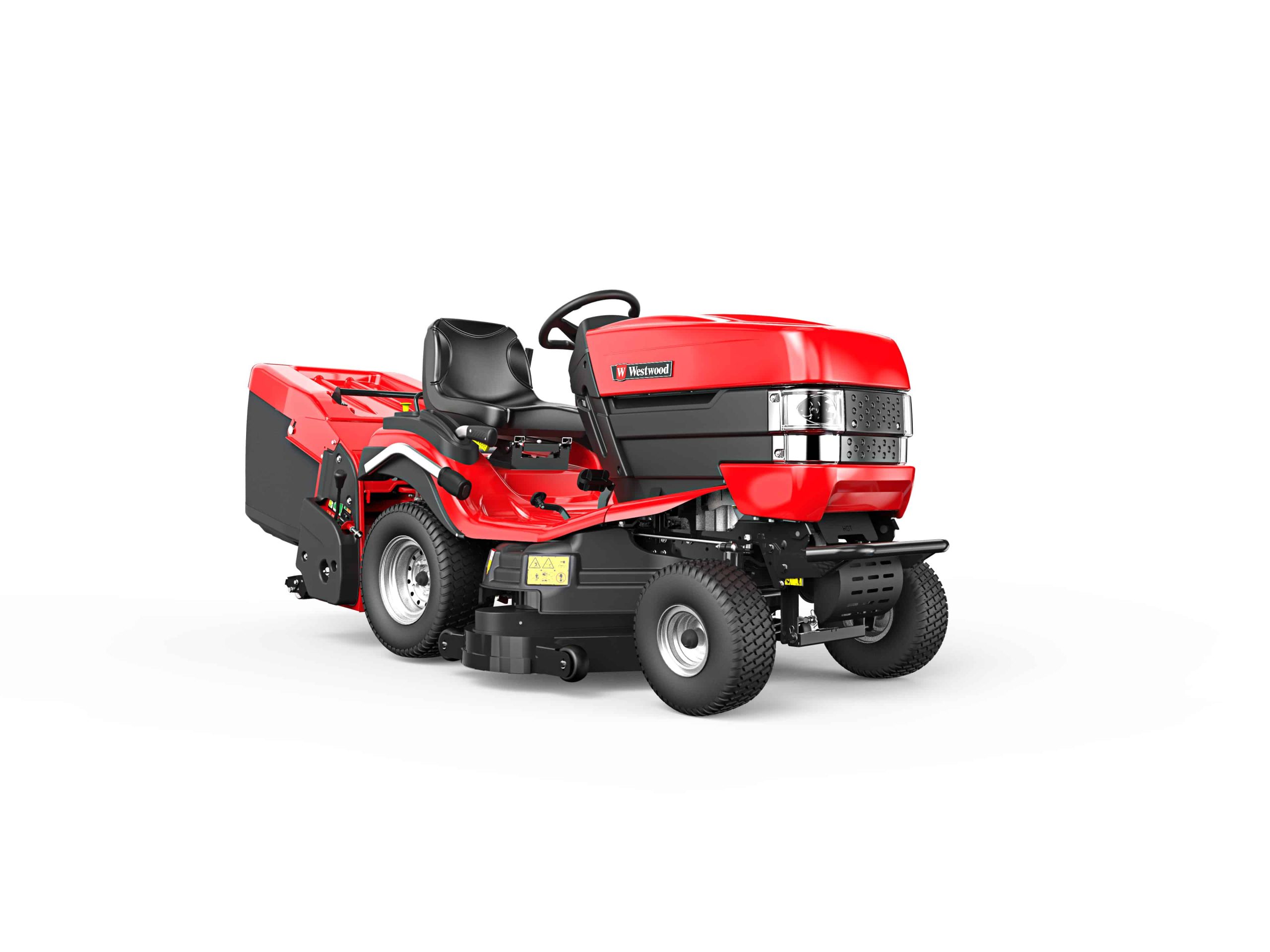
If you're using a grass collection box, make sure it isn't too full before you start. An overfull box can't accept new clippings properly, which forces them to be deposited back onto the lawn instead.
The good news is that this is very much a manageable problem rather than a sign that anything is seriously wrong with your Westwood. Adjusting when you mow, how often you mow, and keeping the deck clean will resolve it in the vast majority of cases.
Why Clumping Happens in the First Place
To understand why clippings clump, it helps to know what the cutting deck is actually trying to do. When the blades spin, they create airflow inside the deck that lifts the grass upright before cutting it and then moves the clippings towards the discharge chute or collection system. That airflow is the key to everything, and anything that disrupts it leads to clippings being deposited in uneven clumps rather than dispersed cleanly.Wet grass is the most common disruptor. Damp clippings are heavier than dry ones, they stick together, and they stick to surfaces inside the deck. Instead of flowing smoothly through the system, they clump up and get deposited in irregular patches as the mower moves across the lawn.
The Grass Is Too Long
During May, grass can grow surprisingly quickly, and if a week goes by without mowing, the lawn can become noticeably longer than ideal. Cutting long, lush grass produces a large volume of clippings in a short time, and even in dry conditions that can overwhelm the deck's ability to disperse them evenly. When the grass is also damp, the effect is much worse.The solution here is to mow more frequently during the peak growing season rather than waiting until the lawn really needs it. Cutting a manageable amount of growth each time produces shorter clippings that are far easier for the machine to handle. Shorter clippings also break down more quickly if they do fall back onto the lawn, so even if a few remain on the surface, they cause less damage.
Buildup Under the Deck{/h2}
Grass clippings accumulate on the underside of the cutting deck faster than most people expect, particularly during damp, heavy growth periods. Once a thick layer builds up, it restricts the airflow that the deck relies on, and the discharge of clippings becomes progressively worse. If you've noticed that the clumping problem has got gradually worse over the course of the season rather than appearing all at once, this is very likely the reason.
Cleaning under the deck regularly is one of the most effective things you can do to maintain cut quality and clipping discharge. With the machine safely switched off and the ignition key removed, clearing the compacted grass from the underside of the deck with a scraper or stiff brush takes only a few minutes and makes a noticeable difference immediately.
Cutting When the Grass Is Wet
If the clumping is worst first thing in the morning or after recent rain, the damp grass is almost certainly the main factor. Morning dew is enough to make clippings behave very differently from those cut during a dry afternoon, and many owners notice a significant difference in the finish depending on the time of day they mow.Where possible, mowing later in the day when the sun has had a chance to dry the surface will produce a cleaner result with far less clumping. On days when mowing simply can't wait, raising the cutting height slightly reduces the volume of clippings being produced at once, which helps the deck cope better with the damp conditions.
Checking the Discharge Chute
If your Westwood discharges clippings to the side rather than collecting them, the discharge chute is worth checking. Clippings can build up inside the chute and create a partial blockage that causes uneven discharge and clumping. It's an easy thing to overlook but a quick check and clear can solve the problem entirely.If you're using a grass collection box, make sure it isn't too full before you start. An overfull box can't accept new clippings properly, which forces them to be deposited back onto the lawn instead.
When Clumps Are Left Behind
If clumps do end up on the lawn, it's worth raking or dispersing them rather than leaving them in place. A mat of wet clippings sitting on the grass surface blocks light and air to the grass underneath and can cause yellowing or even patches of dead grass if left for more than a day or two. A quick pass with a rake after mowing takes only a few minutes and protects the lawn from the damage that clumps can cause.The good news is that this is very much a manageable problem rather than a sign that anything is seriously wrong with your Westwood. Adjusting when you mow, how often you mow, and keeping the deck clean will resolve it in the vast majority of cases.