How to Find the Right Spare Parts for Your Westwood Tractor: A Step-by-Step Guide
Date Released: 9 Feb 2026 Category: Blog
There's a particular kind of frustration that comes with needing a spare part for your Westwood tractor. You know something needs replacing, you're ready to order it, but you're staring at hundreds of parts online with numbers and codes that might as well be written in a foreign language. Getting the wrong part means delays, return hassles, and your tractor sitting idle when you should be mowing.
Finding the correct spare parts for your Westwood doesn't require special expertise or mechanical knowledge. You just need to know where to look and what information matters. Once you understand the system, it becomes surprisingly straightforward.
A blade spindle for a 2015 T1600 might look identical to one for a 2010 model, but subtle differences in measurements or fixings can mean it simply won't fit properly. Using the wrong part can lead to poor performance, damage to other components, or safety issues. Genuine parts designed specifically for your model and year ensure everything works as it should.
Check under the seat first, as this is the most frequent spot. Lift your seat and look at the frame underneath. You might also find it on the main chassis near where you sit, or occasionally on the inside of the engine cowling. If you've had your Westwood for years and never noticed this sticker, don't worry. It's deliberately placed somewhere protected, which sometimes means somewhere not immediately obvious.
The sticker itself contains several pieces of information, but don't panic if some of it looks like gibberish. You don't need to understand every code on there. What you're primarily looking for is the year of manufacture, the model designation, and the product code. These three pieces of information will guide you to the exact parts list for your specific tractor.
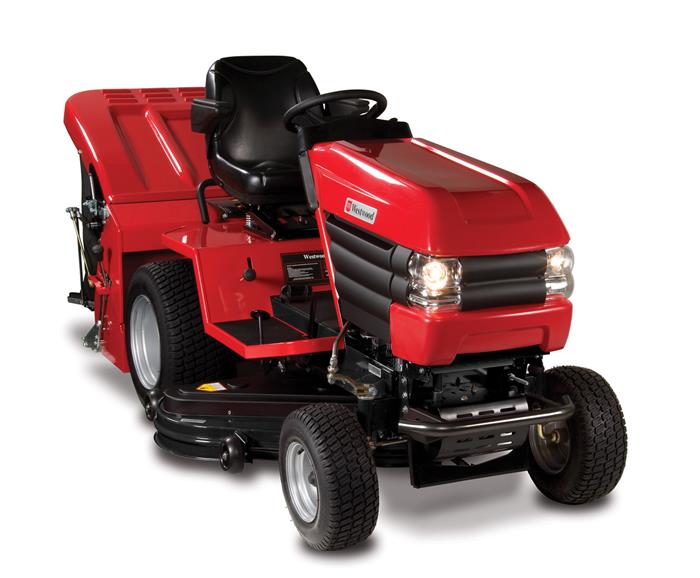
Your model number tells you which family of tractors yours belongs to. A T1600 is quite different from an S1300 or a V20-50, and they use different parts in many cases. The year helps narrow things down further because a 2005 T1600 might use different belts or blades compared to a 2012 version of the same model.
Write down these details clearly: your year of manufacture, your full model designation, and any product codes shown on the sticker. Keep this information somewhere safe, perhaps stuck to the inside of your shed door or saved in your phone. You'll need it every time you order parts.
Parts diagrams are typically organised by section. There will be separate diagrams for the cutting deck, the transmission, the engine area, the grass collector system, and so on. Start by working out which section of your tractor contains the part you need. If your blade needs replacing, you want the cutting deck diagram. If you're after a drive belt, look at the transmission section.
Each part on the diagram has a reference number next to it. This number corresponds to a parts list that tells you the actual part number you need to order and usually gives you a description of what the part is. The combination of the diagram showing where the part goes and the list telling you what it's called makes identification much more reliable than trying to describe what you need in words.
When you've identified a part number from your diagram, write it down exactly as shown. Don't try to memorise it or approximate it, because even a single digit wrong means you'll get the wrong part. Part numbers can look similar, and 12345 is very different from 12346 even though they're only one digit apart.
Some parts are used across multiple Westwood models, whilst others are specific to just one variant. The parts diagram for your specific year and model ensures you're looking at parts that definitely fit your machine, which is why getting that initial identification right is so important.
Drive belts, for instance, usually appear in the transmission section and connect various pulleys. There might be several different belts on your tractor, each with its own part number, so it's important to identify specifically which belt you need rather than just ordering "a belt" and hoping for the best.
Grass collector parts include the net, the belt that drives the collection system, various pulleys and guards, and fixings. The powered grass collector is one of Westwood's distinguishing features, but it does mean there are specific parts that need occasional replacement. Knowing where to find these in your parts diagram saves considerable time.
Many spare parts suppliers, including specialists who focus on Westwood parts, have experience helping customers identify obscure components. If you can describe where the part sits on your tractor, what it does, and ideally provide a photograph, they can often identify it even without a part number. This is where having your model and year information becomes invaluable because it helps narrow down the possibilities enormously.

This record serves several purposes. Firstly, if the same part needs replacing again in a few years, you've got the part number immediately to hand. Secondly, it helps you track which parts seem to wear faster on your particular machine, which can highlight usage patterns or potential issues. Finally, if you ever sell your tractor, being able to tell the new owner exactly what parts have been replaced and when adds considerable value.
A slightly different belt length, a blade with marginally different weight distribution, or a component made from slightly different materials can all affect performance. In some cases, non-genuine parts can actually cause damage to other components because they don't operate exactly as designed. When you've invested in a quality machine like a Westwood, protecting that investment with correct parts makes sound financial sense.
Finding the right spare parts becomes much easier once you've done it a few times. That initial effort to locate your ID sticker, understand your model details, and familiarise yourself with how parts diagrams work pays dividends every time you need something. Your Westwood is built to last for many years with proper maintenance, and using the correct parts is a fundamental aspect of that maintenance.
Finding the correct spare parts for your Westwood doesn't require special expertise or mechanical knowledge. You just need to know where to look and what information matters. Once you understand the system, it becomes surprisingly straightforward.
Why Getting the Right Part Matters
Before we dive into how to find parts, it's worth understanding why precision matters so much. Westwood tractors have been manufactured for over thirty years, with numerous model ranges like the T Series, S Series, X Series, and the classic V20/50 models. Each range has variations, and parts often changed between production years.A blade spindle for a 2015 T1600 might look identical to one for a 2010 model, but subtle differences in measurements or fixings can mean it simply won't fit properly. Using the wrong part can lead to poor performance, damage to other components, or safety issues. Genuine parts designed specifically for your model and year ensure everything works as it should.
Locating Your ID Sticker
The key to identifying the right parts starts with a small sticker somewhere on your Westwood tractor. This identification plate contains all the crucial information you need, and finding it is your first job. On most Westwood models, you'll find this sticker in one of several common locations.Check under the seat first, as this is the most frequent spot. Lift your seat and look at the frame underneath. You might also find it on the main chassis near where you sit, or occasionally on the inside of the engine cowling. If you've had your Westwood for years and never noticed this sticker, don't worry. It's deliberately placed somewhere protected, which sometimes means somewhere not immediately obvious.
The sticker itself contains several pieces of information, but don't panic if some of it looks like gibberish. You don't need to understand every code on there. What you're primarily looking for is the year of manufacture, the model designation, and the product code. These three pieces of information will guide you to the exact parts list for your specific tractor.
Decoding Your Model Information
Once you've found your sticker, take a clear photograph of it on your phone. This gives you a permanent record you can refer to whenever you need parts, and it's much easier than crawling under the seat every time. The year code is particularly important because Westwood, like most manufacturers, made running changes to models over the years.Your model number tells you which family of tractors yours belongs to. A T1600 is quite different from an S1300 or a V20-50, and they use different parts in many cases. The year helps narrow things down further because a 2005 T1600 might use different belts or blades compared to a 2012 version of the same model.
Write down these details clearly: your year of manufacture, your full model designation, and any product codes shown on the sticker. Keep this information somewhere safe, perhaps stuck to the inside of your shed door or saved in your phone. You'll need it every time you order parts.
Using Parts Diagrams
Once you know your model and year, you can access the relevant parts diagram. These diagrams show your entire tractor in exploded view format, with every component numbered. At first glance, they can look overwhelming because there are so many parts shown, but they're actually quite logical once you understand how to read them.Parts diagrams are typically organised by section. There will be separate diagrams for the cutting deck, the transmission, the engine area, the grass collector system, and so on. Start by working out which section of your tractor contains the part you need. If your blade needs replacing, you want the cutting deck diagram. If you're after a drive belt, look at the transmission section.
Each part on the diagram has a reference number next to it. This number corresponds to a parts list that tells you the actual part number you need to order and usually gives you a description of what the part is. The combination of the diagram showing where the part goes and the list telling you what it's called makes identification much more reliable than trying to describe what you need in words.
Understanding Part Numbers
Westwood part numbers follow a logical system, though it's not immediately obvious if you've never worked with them before. Genuine Westwood parts have specific part numbers that might include letters and numbers in various combinations. These aren't random; they encode information about what the part is and sometimes which models it fits.When you've identified a part number from your diagram, write it down exactly as shown. Don't try to memorise it or approximate it, because even a single digit wrong means you'll get the wrong part. Part numbers can look similar, and 12345 is very different from 12346 even though they're only one digit apart.
Some parts are used across multiple Westwood models, whilst others are specific to just one variant. The parts diagram for your specific year and model ensures you're looking at parts that definitely fit your machine, which is why getting that initial identification right is so important.
Common Parts and Quick Reference
Certain parts get replaced frequently enough that it's worth knowing their rough categories even before you need them. Blades, belts, filters, and grass collector components are the consumables you'll likely need at some point. Having a general idea of what these look like in the diagrams helps speed up the identification process.Drive belts, for instance, usually appear in the transmission section and connect various pulleys. There might be several different belts on your tractor, each with its own part number, so it's important to identify specifically which belt you need rather than just ordering "a belt" and hoping for the best.
Grass collector parts include the net, the belt that drives the collection system, various pulleys and guards, and fixings. The powered grass collector is one of Westwood's distinguishing features, but it does mean there are specific parts that need occasional replacement. Knowing where to find these in your parts diagram saves considerable time.
When You Can't Find What You Need
Sometimes you'll need a part that isn't immediately obvious in the standard diagrams. Perhaps it's a small fixing, a clip, or a minor component that doesn't feature prominently. This doesn't mean the part doesn't exist or isn't available; it just might require a slightly different approach.Many spare parts suppliers, including specialists who focus on Westwood parts, have experience helping customers identify obscure components. If you can describe where the part sits on your tractor, what it does, and ideally provide a photograph, they can often identify it even without a part number. This is where having your model and year information becomes invaluable because it helps narrow down the possibilities enormously.
Keeping Records for Future Reference
Here's a tip that will save you significant time and hassle in future: whenever you order a part, make a note of what it was, the part number, and when you fitted it. You don't need anything elaborate; a simple notebook kept with your tractor manual works perfectly.This record serves several purposes. Firstly, if the same part needs replacing again in a few years, you've got the part number immediately to hand. Secondly, it helps you track which parts seem to wear faster on your particular machine, which can highlight usage patterns or potential issues. Finally, if you ever sell your tractor, being able to tell the new owner exactly what parts have been replaced and when adds considerable value.
The Value of Genuine Parts
Whilst we're talking about finding the right parts, it's worth mentioning why genuine Westwood parts matter. You'll often find cheaper alternatives online, and it's tempting to save a few pounds, especially on items like belts or blades. However, genuine parts are manufactured to exact specifications that match your Westwood's design.A slightly different belt length, a blade with marginally different weight distribution, or a component made from slightly different materials can all affect performance. In some cases, non-genuine parts can actually cause damage to other components because they don't operate exactly as designed. When you've invested in a quality machine like a Westwood, protecting that investment with correct parts makes sound financial sense.
Finding the right spare parts becomes much easier once you've done it a few times. That initial effort to locate your ID sticker, understand your model details, and familiarise yourself with how parts diagrams work pays dividends every time you need something. Your Westwood is built to last for many years with proper maintenance, and using the correct parts is a fundamental aspect of that maintenance.