Safety First: Troubleshooting the Safety Switches and "Dead Man" Sensors
Date Released: 3 Apr 2026 Category: Blog
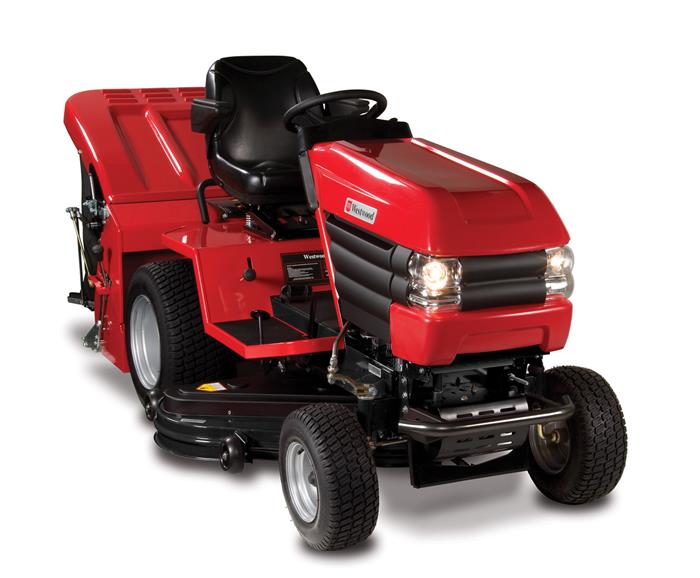
There is nothing quite as frustrating as a perfectly healthy Westwood tractor that simply refuses to work. You turn the key, the engine settles into a smooth roar, and you prepare to tackle the lawn. But the moment you try to move or engage the mower blades, the engine cuts out instantly. It feels like a major mechanical failure, but more often than not, it is actually your tractor doing exactly what it was designed to do: keeping you safe.
Westwood tractors are fitted with a sophisticated network of safety sensors, often called "dead man" switches. These are designed to ensure the machine cannot be operated in a dangerous way. For example, the engine should stop if you leave the seat while the blades are turning, or it might refuse to start if the brake is not pressed.
While these features are essential for your protection, these small electrical components can sometimes become blocked by grass or knocked out of alignment during a busy spring of mowing.
In this guide, we will look at the most common safety switches on your Westwood, how to tell if one is causing your "mystery" engine stalls, and why a simple part replacement is often the only fix you need.

1. The Seat Switch
This is the most famous sensor. It is located directly under the driver’s seat. Its job is to detect your weight. If the tractor thinks the seat is empty while the blades are engaged or the handbrake is off, it will cut the ignition to prevent the machine from moving without a driver. Over time, the wires under the seat can become pinched, or the spring inside the switch can lose its "springiness," leading to the engine cutting out every time you hit a bump in the lawn.
2. The Brake and Neutral Switches
To start a Westwood, the machine needs to know it is in a safe state. This usually means the parking brake must be engaged or the foot brake must be pressed firmly. There is a small switch located near the brake pedal or the transmission linkage that sends this signal. if this switch is coated in dried mud or old grease, it might not "click" properly, leaving you with a tractor that won't even try to turn over.
3. The Cutter Engagement Switch
When you pull the lever or press the button to start your mower blades, a safety switch checks to make sure everything is in order. If this switch fails, you might find that the engine runs beautifully while you are driving, but the moment you try to mow, the tractor dies. This is a very common issue during the "May Flush" when thick grass can get packed around the deck engagement linkages.
Another clue is the "Interlock Board" or PCB (Printed Circuit Board) found on many modern Westwood tractors. This is the "brain" that monitors all the switches. If the board detects a fault, it will cut the power. Sometimes, these boards can develop a fault if moisture gets into the control panel during a typical British downpour. If your dashboard lights are flickering or behaving strangely, the PCB might be the part that needs replacing.
Clear the Debris: The switches near the pedals and the mower deck are exposed to the elements. Dry grass and mud can build up around the "plunger" of the switch, preventing it from moving. A quick blast of compressed air or a brush-down can often restore the connection. Check the Connections: Vibration is the enemy of electrical wires. Over a few years of use, the "spade" connectors that plug into the back of the seat switch or the brake sensor can vibrate loose. Simply pushing them back on firmly can solve a "mystery" stall. Inspect the Springs: Some switches rely on a metal arm or a spring to trigger them. If these are bent or rusty, they might not be making full contact. You can usually gently bend a metal arm back into place to ensure it clicks the switch properly.
At Westwood Tractor Spares, we stock a full range of genuine Replacement Micro-switches, Seat Sensors, and PCBs. These parts are designed to fit your specific model perfectly and are much safer and more reliable than a "quick fix" with electrical tape.
Replacing a faulty switch is a five-minute job that ensures your tractor remains safe for everyone in the family to use.
By keeping your switches clean and replacing any that have become temperamental, you can enjoy a frustration-free summer in the garden. If you find yourself stuck with a tractor that keeps cutting out, check those "dead man" sensors first. If you need a fresh Brake Switch, Seat Sensor, or Control Board, you will find the exact genuine parts you need at Westwood Tractor Spares.
Westwood tractors are fitted with a sophisticated network of safety sensors, often called "dead man" switches. These are designed to ensure the machine cannot be operated in a dangerous way. For example, the engine should stop if you leave the seat while the blades are turning, or it might refuse to start if the brake is not pressed.
While these features are essential for your protection, these small electrical components can sometimes become blocked by grass or knocked out of alignment during a busy spring of mowing.
In this guide, we will look at the most common safety switches on your Westwood, how to tell if one is causing your "mystery" engine stalls, and why a simple part replacement is often the only fix you need.
The "Big Three" Safety Sensors
Most Westwood models use a series of micro-switches hidden away in the chassis. If you understand where they are, you can quickly diagnose which one is acting up.1. The Seat Switch
This is the most famous sensor. It is located directly under the driver’s seat. Its job is to detect your weight. If the tractor thinks the seat is empty while the blades are engaged or the handbrake is off, it will cut the ignition to prevent the machine from moving without a driver. Over time, the wires under the seat can become pinched, or the spring inside the switch can lose its "springiness," leading to the engine cutting out every time you hit a bump in the lawn.
2. The Brake and Neutral Switches
To start a Westwood, the machine needs to know it is in a safe state. This usually means the parking brake must be engaged or the foot brake must be pressed firmly. There is a small switch located near the brake pedal or the transmission linkage that sends this signal. if this switch is coated in dried mud or old grease, it might not "click" properly, leaving you with a tractor that won't even try to turn over.
3. The Cutter Engagement Switch
When you pull the lever or press the button to start your mower blades, a safety switch checks to make sure everything is in order. If this switch fails, you might find that the engine runs beautifully while you are driving, but the moment you try to mow, the tractor dies. This is a very common issue during the "May Flush" when thick grass can get packed around the deck engagement linkages.
Is it a Mechanical Problem or a Safety Switch?
Before you start taking your engine apart, there is a simple way to tell if a safety switch is the culprit. If your engine stops suddenly but "cleanly"—as if you had turned the key off—it is almost certainly an electrical safety cut-out. If the engine stutters, coughs, or blows smoke before stopping, that is more likely to be a fuel or spark plug problem.Another clue is the "Interlock Board" or PCB (Printed Circuit Board) found on many modern Westwood tractors. This is the "brain" that monitors all the switches. If the board detects a fault, it will cut the power. Sometimes, these boards can develop a fault if moisture gets into the control panel during a typical British downpour. If your dashboard lights are flickering or behaving strangely, the PCB might be the part that needs replacing.
Simple Fixes for Safety Sensors
You do not need to be an electrician to solve most sensor issues. Often, a bit of basic housekeeping is all that is required.Why You Should Never "Bypass" a Switch
It can be very tempting to use a piece of wire to "bridge" a faulty safety switch just to finish the lawn. However, we strongly advise against this. These sensors are there to prevent horrific accidents. If the tractor were to roll over or if a child were to climb onto the machine, a bypassed seat switch could lead to a tragedy.At Westwood Tractor Spares, we stock a full range of genuine Replacement Micro-switches, Seat Sensors, and PCBs. These parts are designed to fit your specific model perfectly and are much safer and more reliable than a "quick fix" with electrical tape.
Replacing a faulty switch is a five-minute job that ensures your tractor remains safe for everyone in the family to use.
Conclusion
Your Westwood tractor is a complex machine with many "eyes" watching over your safety. While a faulty sensor can be an annoyance during the height of the mowing season, it is usually a sign that a small, affordable part has reached the end of its life.By keeping your switches clean and replacing any that have become temperamental, you can enjoy a frustration-free summer in the garden. If you find yourself stuck with a tractor that keeps cutting out, check those "dead man" sensors first. If you need a fresh Brake Switch, Seat Sensor, or Control Board, you will find the exact genuine parts you need at Westwood Tractor Spares.