The Most Common Westwood Tractor Parts That Need Replacing (And When)
Date Released: 26 Jan 2026 Category: Blog
Owning a Westwood tractor means investing in a quality piece of equipment that should give you years of reliable service. However, even the best-built machines have components that wear out through normal use and need periodic replacement. Understanding which parts typically need attention and roughly when they'll need it helps you plan ahead and avoid being caught out by sudden failures.
You don't need to be a mechanical expert to recognise when common parts are due for replacement. Most worn parts give you plenty of warning if you know what to look for, and keeping a few key spares on hand can save you considerable frustration during the mowing season.
You'll know your blades need replacing rather than just sharpening when you can see significant damage like large nicks or chips, when the metal has worn noticeably thin from repeated sharpening, or when the blade has any bends or twists. A bent blade is particularly important to replace immediately because it creates dangerous vibration and can damage other components.
Keep a spare set of blades in your shed. This way, when you notice your current blades are past their best, you can swap them immediately rather than waiting for replacements to arrive whilst your grass grows enthusiastically. Westwood blades are model-specific, so make sure you're ordering the correct ones for your particular machine.
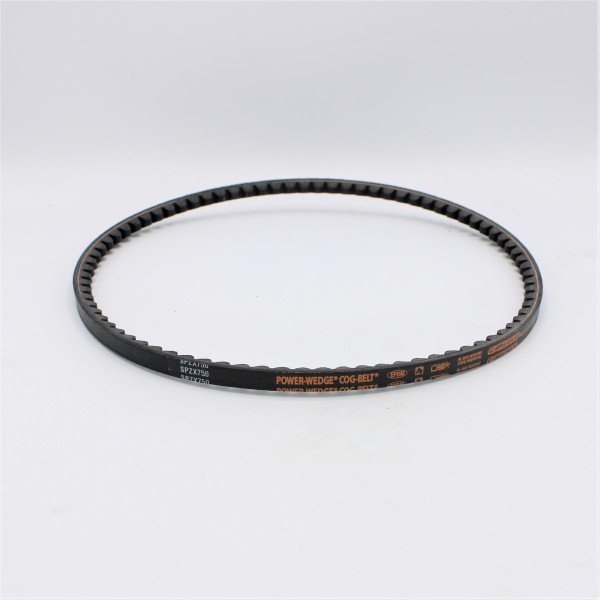
The signs that a belt is due for replacement include visible cracking on the surface, glazing that makes the belt shiny and hard rather than slightly grippy, fraying at the edges, or any obvious damage. If your tractor starts slipping out of drive under load, or if the grass collector seems less effective than usual, belts are a likely culprit.
Different belts on your Westwood have different part numbers because they're different lengths and widths. The main drive belt is different from the grass collector belt, for instance. When ordering replacement belts, you need to be specific about which belt you need, which is where your parts diagram becomes invaluable.
Paper air filters should be replaced rather than cleaned once they're noticeably dirty. Some people try tapping them out or blowing them clean, but this rarely restores proper airflow and can actually damage the filter material. Foam pre-filters can be washed and reused several times, but they eventually need replacing too.
How often you replace air filters depends enormously on conditions. Mowing in dry, dusty weather means more frequent changes, perhaps every month during peak season. Damper conditions with less dust in the air mean filters last longer. Check your filter monthly during the mowing season and replace it when it looks dirty; don't wait until your engine is running poorly.
Most people find that annual spark plug replacement works well. Fit fresh plugs at the start of each season and you're unlikely to have starting or running problems related to ignition. Given that spark plugs cost just a few pounds and take minutes to change, there's little reason to try extending their life beyond sensible intervals.
If your Westwood becomes difficult to start, runs roughly, or lacks power, checking the spark plug is one of the first diagnostic steps. A fouled or worn plug is often the culprit, and fitting a fresh one solves the problem immediately. Keep a spare plug or two in your shed; you'll use them eventually.
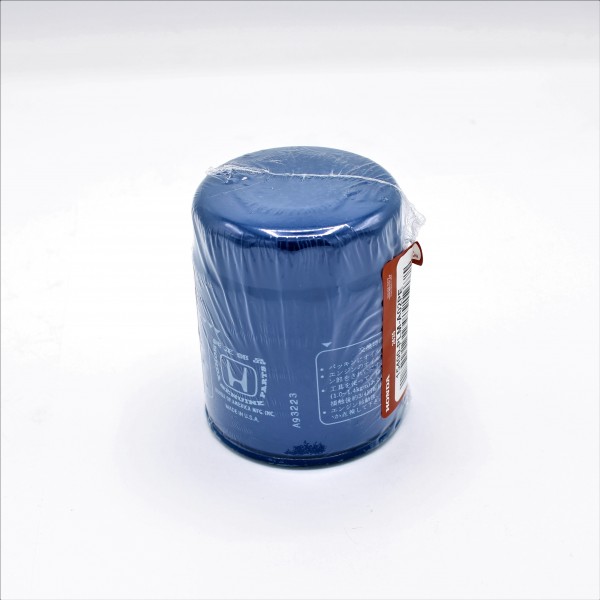
Most Westwood owners change oil once per season, typically in spring before the mowing season begins or in autumn as part of winter preparation. If you use your tractor heavily, you might need to change oil mid-season as well. Your manual will specify the intervals based on hours of operation.
Oil filters, where fitted, should be changed whenever you change the oil. Using fresh oil with an old, clogged filter rather defeats the purpose. Both the oil and filter work together to keep your engine clean and protected, so they need changing together.
The grass collector net eventually wears through or develops holes, particularly if you're collecting rough material or if the net has been stored damp and allowed to deteriorate over winter. A damaged net means grass escapes rather than being collected, rather defeating the purpose. Nets aren't desperately expensive, and a fresh net at the start of the season ensures efficient collection.
Various smaller components in the collector system like pulleys, guards, and fixings can work loose or wear over time. These are worth checking periodically because a small missing clip or loose pulley can cause the entire collection system to work poorly or fail completely.
Low gearbox oil or oil that's broken down can cause difficulty changing speeds, grinding noises, or complete transmission failure. Whilst gearbox oil changes aren't needed every season, they're important enough that you should mark your calendar to check levels annually and plan for an oil change every two or three years depending on use.
The specific type of gearbox oil matters because different gearboxes need different specifications. Using the wrong oil can cause problems, so consult your parts supplier or manual to ensure you're getting the correct specification for your particular gearbox model.
Maintaining correct tyre pressures helps extend tyre life and ensures even cutting. Underinflated tyres wear faster and can make your cut uneven because one side of the deck sits lower than the other. Overinflated tyres give a harsh ride and can make the tractor less stable on slopes.
When you do need replacement tyres, getting the correct size for your model is essential. Westwood uses specific tyre sizes that affect the tractor's performance and cutting height. Your parts diagram or parts supplier can confirm the correct specifications.
Looking after your battery extends its life considerably. Keeping it charged over winter, cleaning corrosion from terminals, and ensuring connections are tight all help. However, even well-maintained batteries eventually reach the point where they need replacing.
When you order a replacement battery, make sure you're getting one with the correct specifications for your Westwood. Batteries vary in size, terminal position, and capacity, and fitting the wrong one can cause problems or simply not fit properly.
Make a note when you replace parts so you can track how long they last on your particular machine. This helps you anticipate when replacement will be needed again and sometimes highlights if a particular part is wearing faster than expected, which might indicate another problem worth investigating.
Your Westwood is built to last, but like any machine, it needs the right parts fitted at the right time. Understanding what commonly needs replacing and roughly when means you can maintain your tractor properly without nasty surprises interrupting your mowing schedule.
You don't need to be a mechanical expert to recognise when common parts are due for replacement. Most worn parts give you plenty of warning if you know what to look for, and keeping a few key spares on hand can save you considerable frustration during the mowing season.
Mower Blades
If there's one part you'll definitely replace multiple times over your Westwood's life, it's the cutting blades. These work incredibly hard, spinning at high speed and hitting the occasional hidden obstacle that you'd swear wasn't there last week. Depending on how much mowing you do and what conditions you're cutting in, blades typically need attention once or twice per season.You'll know your blades need replacing rather than just sharpening when you can see significant damage like large nicks or chips, when the metal has worn noticeably thin from repeated sharpening, or when the blade has any bends or twists. A bent blade is particularly important to replace immediately because it creates dangerous vibration and can damage other components.
Keep a spare set of blades in your shed. This way, when you notice your current blades are past their best, you can swap them immediately rather than waiting for replacements to arrive whilst your grass grows enthusiastically. Westwood blades are model-specific, so make sure you're ordering the correct ones for your particular machine.
Drive Belts
Belts are the unsung heroes of your Westwood's operation, transferring power from the engine to the wheels and operating the grass collector system. They're made from robust materials, but they do eventually wear out from constant flexing and the heat they generate during operation. Most Westwood owners will need to replace at least one belt every couple of years, sometimes more frequently if the tractor sees heavy use.The signs that a belt is due for replacement include visible cracking on the surface, glazing that makes the belt shiny and hard rather than slightly grippy, fraying at the edges, or any obvious damage. If your tractor starts slipping out of drive under load, or if the grass collector seems less effective than usual, belts are a likely culprit.
Different belts on your Westwood have different part numbers because they're different lengths and widths. The main drive belt is different from the grass collector belt, for instance. When ordering replacement belts, you need to be specific about which belt you need, which is where your parts diagram becomes invaluable.
Air Filters
Air filters are perhaps the most frequently needed replacement part that people often overlook. Your Westwood's engine needs clean air to run properly, and the filter catches dust, grass debris, and other airborne particles before they can enter the engine. During the mowing season, especially in dry, dusty conditions, filters can become clogged surprisingly quickly.Paper air filters should be replaced rather than cleaned once they're noticeably dirty. Some people try tapping them out or blowing them clean, but this rarely restores proper airflow and can actually damage the filter material. Foam pre-filters can be washed and reused several times, but they eventually need replacing too.
How often you replace air filters depends enormously on conditions. Mowing in dry, dusty weather means more frequent changes, perhaps every month during peak season. Damper conditions with less dust in the air mean filters last longer. Check your filter monthly during the mowing season and replace it when it looks dirty; don't wait until your engine is running poorly.
Spark Plugs
Spark plugs are small, inexpensive, and absolutely crucial to engine operation. They create the spark that ignites the fuel in your engine, doing this thousands of times every minute when you're mowing. Over time, the electrode wears down and deposits build up, making starting difficult and running rough.Most people find that annual spark plug replacement works well. Fit fresh plugs at the start of each season and you're unlikely to have starting or running problems related to ignition. Given that spark plugs cost just a few pounds and take minutes to change, there's little reason to try extending their life beyond sensible intervals.
If your Westwood becomes difficult to start, runs roughly, or lacks power, checking the spark plug is one of the first diagnostic steps. A fouled or worn plug is often the culprit, and fitting a fresh one solves the problem immediately. Keep a spare plug or two in your shed; you'll use them eventually.
Oil and Oil Filters
Engine oil isn't exactly a part, but it needs regular replacement just like any other consumable. Oil degrades over time and with use, becoming contaminated with combustion byproducts and losing its protective properties. Following your Westwood's service intervals for oil changes is one of the most important things you can do for engine longevity.Most Westwood owners change oil once per season, typically in spring before the mowing season begins or in autumn as part of winter preparation. If you use your tractor heavily, you might need to change oil mid-season as well. Your manual will specify the intervals based on hours of operation.
Oil filters, where fitted, should be changed whenever you change the oil. Using fresh oil with an old, clogged filter rather defeats the purpose. Both the oil and filter work together to keep your engine clean and protected, so they need changing together.
Grass Collector Components
The powered grass collector is one of Westwood's standout features, but the system does have parts that need periodic attention. The collector belt that drives the fan assembly works hard and is exposed to grass debris and moisture, so it wears faster than you might expect. Checking this belt's condition at the start of each season is sensible.The grass collector net eventually wears through or develops holes, particularly if you're collecting rough material or if the net has been stored damp and allowed to deteriorate over winter. A damaged net means grass escapes rather than being collected, rather defeating the purpose. Nets aren't desperately expensive, and a fresh net at the start of the season ensures efficient collection.
Various smaller components in the collector system like pulleys, guards, and fixings can work loose or wear over time. These are worth checking periodically because a small missing clip or loose pulley can cause the entire collection system to work poorly or fail completely.
Gearbox Oil
Your Westwood's gearbox, whether it's a Peerless or Tuff Torq unit, contains oil that lubricates all the internal components. This oil doesn't need changing as frequently as engine oil, but it's not a lifetime fill either. Most manufacturers recommend checking gearbox oil annually and changing it every few years or if it appears contaminated.Low gearbox oil or oil that's broken down can cause difficulty changing speeds, grinding noises, or complete transmission failure. Whilst gearbox oil changes aren't needed every season, they're important enough that you should mark your calendar to check levels annually and plan for an oil change every two or three years depending on use.
The specific type of gearbox oil matters because different gearboxes need different specifications. Using the wrong oil can cause problems, so consult your parts supplier or manual to ensure you're getting the correct specification for your particular gearbox model.
Tyres
Tyres don't need replacing as frequently as some other components, but they do eventually wear out or develop damage. Punctures happen, sidewalls crack with age and UV exposure, and treads wear down if you're using your Westwood regularly. Keep an eye on tyre condition because worn tyres affect traction, steering, and cut quality.Maintaining correct tyre pressures helps extend tyre life and ensures even cutting. Underinflated tyres wear faster and can make your cut uneven because one side of the deck sits lower than the other. Overinflated tyres give a harsh ride and can make the tractor less stable on slopes.
When you do need replacement tyres, getting the correct size for your model is essential. Westwood uses specific tyre sizes that affect the tractor's performance and cutting height. Your parts diagram or parts supplier can confirm the correct specifications.
Battery
Batteries for electric-start Westwoods typically last three to five years depending on how they're used and maintained. A battery that's struggling to turn the engine over, especially when the weather turns cold, is telling you it's near the end of its life. Replacing it before it fails completely means you're not caught out by a dead battery when you want to mow.Looking after your battery extends its life considerably. Keeping it charged over winter, cleaning corrosion from terminals, and ensuring connections are tight all help. However, even well-maintained batteries eventually reach the point where they need replacing.
When you order a replacement battery, make sure you're getting one with the correct specifications for your Westwood. Batteries vary in size, terminal position, and capacity, and fitting the wrong one can cause problems or simply not fit properly.
Planning Ahead
The smart approach to common replacement parts is keeping a few essentials in stock. A set of blades, spark plugs, air filters, and perhaps a spare drive belt means you can deal with most common issues immediately without waiting for parts to arrive. These items don't cost a fortune, they don't take up much space, and they prevent that frustrating situation where you can't mow because you're waiting for a ten-pound part to be delivered.Make a note when you replace parts so you can track how long they last on your particular machine. This helps you anticipate when replacement will be needed again and sometimes highlights if a particular part is wearing faster than expected, which might indicate another problem worth investigating.
Your Westwood is built to last, but like any machine, it needs the right parts fitted at the right time. Understanding what commonly needs replacing and roughly when means you can maintain your tractor properly without nasty surprises interrupting your mowing schedule.