Understanding Your Westwood's Transmission: Belts, Gearboxes and Common Problems
Date Released: 2 Feb 2026 Category: Blog
The transmission system on your Westwood tractor is what turns engine power into forward motion and allows you to control your speed. When everything is working properly, you barely think about it. You just press the pedal, select your speed, and off you go. However, when transmission problems develop, they can leave you stationary or struggling to maintain control, which is both frustrating and potentially unsafe.
Understanding how your Westwood's transmission works doesn't require mechanical expertise. A basic grasp of the key components and what can go wrong helps you spot problems early and communicate clearly with parts suppliers when you need replacements.
This might sound complicated written down, but it's actually quite logical when you see it. The belt is the flexible connection that allows the engine to sit in one place whilst connecting to the gearbox mounted elsewhere on the frame. The gearbox is the clever bit that lets you change speeds without stopping the engine.
Most Westwood tractors use either Peerless or Tuff Torq gearboxes, both of which are proven, reliable units used by various manufacturers. Knowing which type you have helps when ordering parts or seeking advice about problems.
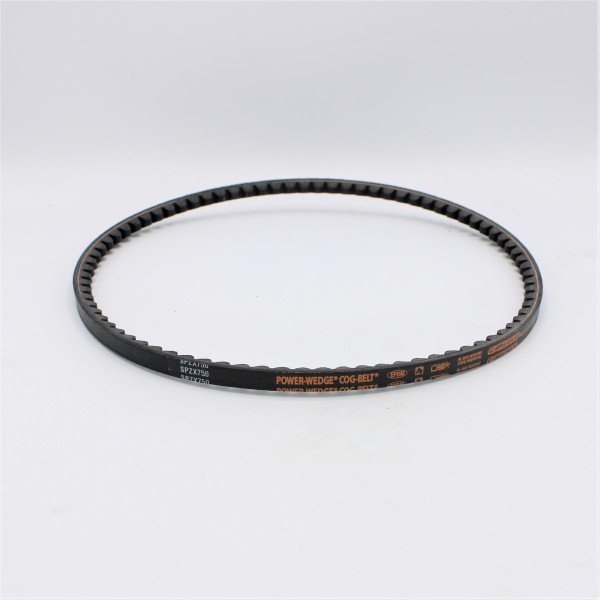
A belt in good condition has a slightly grippy surface that provides positive engagement with the pulleys. As belts age, the surface can become glazed and shiny, which reduces grip. You might notice this as the tractor slipping out of drive when you're going uphill or when the grass is thick and the engine is working hard.
Belts can also develop cracks across their width, fray at the edges, or stretch slightly which affects tension. Any of these conditions means the belt needs replacing before it fails completely. A belt that snaps whilst you're using the tractor can sometimes damage other components as it whips around, so replacement before failure is definitely preferable.
Another sign is difficulty engaging drive at all. If the drive engagement lever feels different or you need to force it into position, this can indicate belt problems. A worn belt doesn't sit in the pulleys correctly, which affects how the engagement mechanism works.
Physically inspecting your belt involves safely accessing the underside or opening the belt cover, depending on your model. Look for the condition indicators we mentioned: cracks, fraying, glazing, or obvious damage. Even if the belt looks acceptable, if it's more than a couple of years old and you're experiencing drive problems, replacement is worth trying.
When ordering a replacement drive belt, you need your model information to ensure you get the correct part. Some Westwood models use multiple belts in the transmission system, so being clear about which belt needs replacing is important. Your parts diagram shows the different belts and their part numbers.
Genuine Westwood belts are designed specifically for the loads and conditions your tractor experiences. Pattern or aftermarket belts might save a few pounds initially but often don't last as long or perform as well. Given that fitting a belt is a bit of a job, using a quality part that will last makes sense.
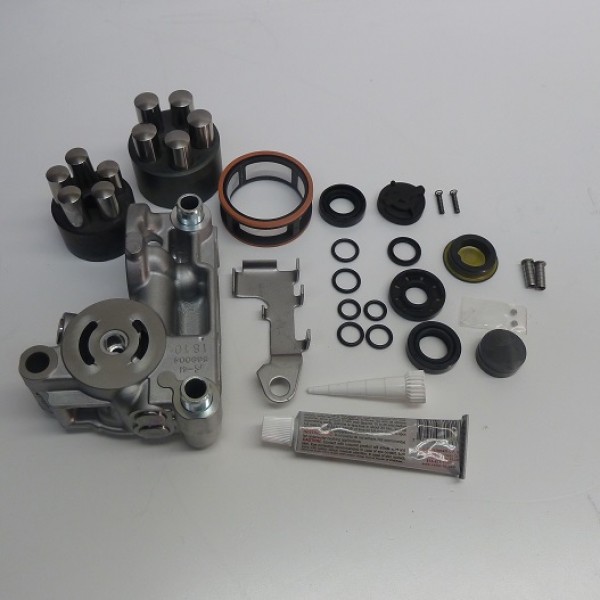
The gearbox is filled with oil that lubricates all these moving parts and helps dissipate heat. Good quality oil at the correct level is essential for gearbox longevity. Unlike engine oil which gets contaminated relatively quickly, gearbox oil in a sealed unit stays cleaner for longer, but it does eventually break down and need replacing.
Different gearbox models have different capacities and specifications for oil. Some use standard gear oil, others need specific transmission fluid. Using the wrong type can cause shifting problems or even damage, so checking your manual or asking your parts supplier for the correct specification is important.
Whining or humming noises that change with speed can indicate worn bearings inside the gearbox. Loss of power where the engine runs but the wheels don't turn properly might mean internal clutch problems. Leaking oil from the gearbox seals is another issue that needs addressing before low oil levels cause damage.
Some gearbox problems can be fixed with parts replacement. Worn seals can be changed, oil can be refreshed, and in some cases internal components can be replaced. However, major gearbox damage often means replacing the entire unit, which is expensive but sometimes necessary.
Checking oil level typically involves removing the fill plug and seeing whether oil is visible at the correct level. If it's low, you top it up with the specified oil type. Changing oil completely means draining the old oil out, allowing it to drip fully, then refilling with fresh oil to the correct level.
The frequency of gearbox oil changes depends on use, but most manufacturers recommend checking annually and changing every two to three years for domestic use. If you notice the oil looks contaminated with metal particles or has changed consistency significantly, change it regardless of time intervals.
Various gearbox models have parts availability for internal repairs, though accessing these parts requires splitting the gearbox case, which is quite involved. For minor external component replacement like seals or external bearings, this might be worthwhile. For major internal problems, replacement of the entire gearbox is often the more practical solution.
Your parts supplier can advise on what's available for your specific gearbox model and whether repair or replacement makes more sense for your situation. Sometimes the cost of multiple individual parts plus the labour involved means a complete gearbox replacement is actually more economical.
Keep the belt area clean and free from grass buildup. Grass and debris can work their way into pulley grooves or onto belts, affecting grip and causing premature wear. A few minutes cleaning after use prevents problems developing.
Listen to your Westwood whilst you're using it. Unusual noises, changes in how it feels to operate, or any difference in performance often indicate developing problems. Catching these early usually means simpler, cheaper fixes than waiting until something fails completely.
Your Westwood's transmission is robust and built to last, but it does need appropriate care. Understanding how the system works, what parts are involved, and what symptoms indicate problems helps you maintain your tractor properly and address issues before they leave you stranded halfway across your lawn.
Understanding how your Westwood's transmission works doesn't require mechanical expertise. A basic grasp of the key components and what can go wrong helps you spot problems early and communicate clearly with parts suppliers when you need replacements.
The Basic System
Your Westwood uses a combination of belts and a gearbox to transfer power from the engine to the wheels. The engine turns a pulley, which drives a belt, which connects to the gearbox input. Inside the gearbox, various gears and clutches allow you to select different speeds. The gearbox output then drives the rear wheels, either directly or through further gearing depending on your model.This might sound complicated written down, but it's actually quite logical when you see it. The belt is the flexible connection that allows the engine to sit in one place whilst connecting to the gearbox mounted elsewhere on the frame. The gearbox is the clever bit that lets you change speeds without stopping the engine.
Most Westwood tractors use either Peerless or Tuff Torq gearboxes, both of which are proven, reliable units used by various manufacturers. Knowing which type you have helps when ordering parts or seeking advice about problems.
How Drive Belts Work and Wear
Your main drive belt is under constant tension and flexing whenever you're using the tractor. It grips the pulleys tightly, and the friction between belt and pulley is what transfers the power. This creates heat, and over time the belt material degrades from this heat and constant flexing.A belt in good condition has a slightly grippy surface that provides positive engagement with the pulleys. As belts age, the surface can become glazed and shiny, which reduces grip. You might notice this as the tractor slipping out of drive when you're going uphill or when the grass is thick and the engine is working hard.
Belts can also develop cracks across their width, fray at the edges, or stretch slightly which affects tension. Any of these conditions means the belt needs replacing before it fails completely. A belt that snaps whilst you're using the tractor can sometimes damage other components as it whips around, so replacement before failure is definitely preferable.
Identifying Belt Problems
The symptoms of a failing drive belt are usually quite obvious once you know what to look for. If your tractor struggles to move when you engage drive, or if it moves but then slips back into neutral when under load, the belt is the likely culprit. Sometimes you'll hear a squealing noise, which is the belt slipping on the pulleys rather than gripping properly.Another sign is difficulty engaging drive at all. If the drive engagement lever feels different or you need to force it into position, this can indicate belt problems. A worn belt doesn't sit in the pulleys correctly, which affects how the engagement mechanism works.
Physically inspecting your belt involves safely accessing the underside or opening the belt cover, depending on your model. Look for the condition indicators we mentioned: cracks, fraying, glazing, or obvious damage. Even if the belt looks acceptable, if it's more than a couple of years old and you're experiencing drive problems, replacement is worth trying.
Getting the Right Replacement Belt
Drive belts are specific to your Westwood model because they need to be exactly the right length and width to work properly. A belt that's too short won't fit over the pulleys or will be under too much tension. One that's too long won't grip properly and will slip. Width matters too because pulleys are designed for specific belt widths.When ordering a replacement drive belt, you need your model information to ensure you get the correct part. Some Westwood models use multiple belts in the transmission system, so being clear about which belt needs replacing is important. Your parts diagram shows the different belts and their part numbers.
Genuine Westwood belts are designed specifically for the loads and conditions your tractor experiences. Pattern or aftermarket belts might save a few pounds initially but often don't last as long or perform as well. Given that fitting a belt is a bit of a job, using a quality part that will last makes sense.
Understanding Gearbox Function
Inside your gearbox, you've got gear sets, clutches, bearings, and shafts all working together to provide variable speeds whilst changing the direction of drive from the input to the wheels. When you move the gear selector, you're engaging different combinations of these gears to achieve different speed ratios.The gearbox is filled with oil that lubricates all these moving parts and helps dissipate heat. Good quality oil at the correct level is essential for gearbox longevity. Unlike engine oil which gets contaminated relatively quickly, gearbox oil in a sealed unit stays cleaner for longer, but it does eventually break down and need replacing.
Different gearbox models have different capacities and specifications for oil. Some use standard gear oil, others need specific transmission fluid. Using the wrong type can cause shifting problems or even damage, so checking your manual or asking your parts supplier for the correct specification is important.
Common Gearbox Symptoms
Gearboxes are generally reliable and can last the lifetime of your tractor if properly maintained, but they can develop problems. Difficulty selecting gears, grinding noises when you move the gear lever, or the tractor jumping out of gear unexpectedly all suggest gearbox issues.Whining or humming noises that change with speed can indicate worn bearings inside the gearbox. Loss of power where the engine runs but the wheels don't turn properly might mean internal clutch problems. Leaking oil from the gearbox seals is another issue that needs addressing before low oil levels cause damage.
Some gearbox problems can be fixed with parts replacement. Worn seals can be changed, oil can be refreshed, and in some cases internal components can be replaced. However, major gearbox damage often means replacing the entire unit, which is expensive but sometimes necessary.
Checking and Changing Gearbox Oil
Your gearbox should have a fill plug and possibly a drain plug, though some models require pumping out old oil and pumping in new oil through the same opening. The procedure varies by gearbox model, so consulting your manual or a specialist guide for your specific unit is important before attempting this.Checking oil level typically involves removing the fill plug and seeing whether oil is visible at the correct level. If it's low, you top it up with the specified oil type. Changing oil completely means draining the old oil out, allowing it to drip fully, then refilling with fresh oil to the correct level.
The frequency of gearbox oil changes depends on use, but most manufacturers recommend checking annually and changing every two to three years for domestic use. If you notice the oil looks contaminated with metal particles or has changed consistency significantly, change it regardless of time intervals.
When to Replace Gearbox Components
Some components around and in the gearbox can be replaced individually without replacing the whole unit. Seals that prevent oil leaks can usually be changed if you catch the leak early. The input shaft that the belt drives sometimes has replaceable bearings or bushings.Various gearbox models have parts availability for internal repairs, though accessing these parts requires splitting the gearbox case, which is quite involved. For minor external component replacement like seals or external bearings, this might be worthwhile. For major internal problems, replacement of the entire gearbox is often the more practical solution.
Your parts supplier can advise on what's available for your specific gearbox model and whether repair or replacement makes more sense for your situation. Sometimes the cost of multiple individual parts plus the labour involved means a complete gearbox replacement is actually more economical.
Preventative Maintenance
Most transmission problems can be avoided or at least delayed significantly through basic maintenance. Checking belt condition regularly and replacing belts before they fail prevents most belt-related issues. Keeping the gearbox oil at the correct level and changing it periodically protects internal components.Keep the belt area clean and free from grass buildup. Grass and debris can work their way into pulley grooves or onto belts, affecting grip and causing premature wear. A few minutes cleaning after use prevents problems developing.
Listen to your Westwood whilst you're using it. Unusual noises, changes in how it feels to operate, or any difference in performance often indicate developing problems. Catching these early usually means simpler, cheaper fixes than waiting until something fails completely.
Your Westwood's transmission is robust and built to last, but it does need appropriate care. Understanding how the system works, what parts are involved, and what symptoms indicate problems helps you maintain your tractor properly and address issues before they leave you stranded halfway across your lawn.